


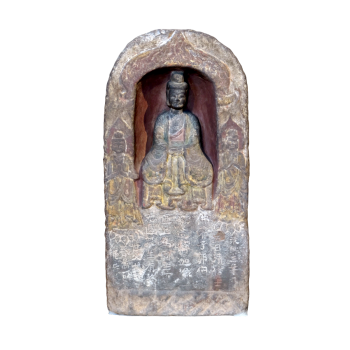
Ancient Chinese Buddhist Statues
This is an ancient Chinese Buddhist statue, carved from sandstone or other stone, with obvious signs of age and weathered. According to its carving style, the character's clothing (especially the way the folds are depicted) and the layout of the inscriptions, this statue tablet was probably made from the late Northern Dynasty to the Sui Dynasty (about the 6th century AD). The stele is arched with a shrine carved above it. In the center of the niche is a legged Buddha (probably Sakyamuni Buddha or Maitreya Buddha), and on each side is a threatening bodhisattva or disciple statue.
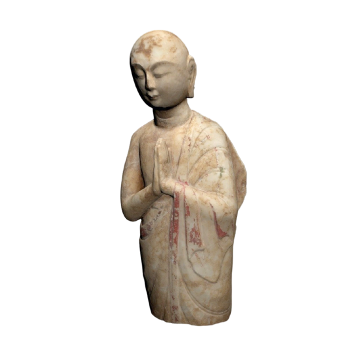
White White Jade Standing Arhat Statue
This is a Chinese Northern Qi period (550-577 AD) white marble standing arhat statue. According to art historians, such images of young monks are often considered to be Ananda (Ānanda), one of the ten disciples of the Buddha. The style of the statue dates back to the 6th century AD China's Northern Qi Dynasty, and the art of this period is known for its serene, introspective expressions and smooth lines of clothing. It has the classic "Oriental smile", reflecting the peak level of Buddhist art at that time. The statue is carved from high quality white marble.

Sitting Statues of Sakyamuni Buddha with Copper and Gold
This is a bronze gilt statue of Sakyamuni Buddha, with a typical Tibetan Buddhist art style. According to its gesture (seal), this Buddha statue can be identified as the master Sakyamuni Buddha. Statues are usually cast in copper or bronze and gilded on the surface. This movable gold and bronze Buddha statues were very popular in the Han and Tibetan areas of China and lasted until the Ming and Qing dynasties. The statue has a plump face, a serene look, regular screw hair, a right shoulder cassock, smooth clothing lines, and a double-layer lotus throne with a waist. This style combines the characteristics of statues in India, Nepal and the Central Plains, forming a unique Tibetan Buddhist art school.

Buddha Head Statue of Sakyamuni, Founder of Buddhism
The statue depicts the head of Buddha Sakyamuni, the founder of Buddhism, with a meditative look, closed eyes, a bun on the top of the head (called "Ushnisha", symbolizing wisdom) and a spiral bun (called "snail hair").

13th century Tibetan Buddhist Amogatse Buddha
The Buddha of Amogatse is an important Buddha in Tibetan Buddhism. The secret number is "Jingde King Kong" or "Achievement King Kong", which belongs to the Lord of the Karma. This Buddha symbolizes the consummation of all causes and wisdom.
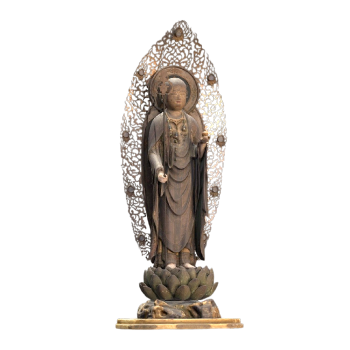
Ksitigarbha King Bodhisattva Statues
The King Bodhisattva (Kṣitigarbha Bodhisattva) is one of the four major Bodhisattvas of Chinese Buddhism. It is famous for its "great wish" ("hell is not empty, vows not to become a Buddha"), and is mainly responsible for saving all living beings in hell.
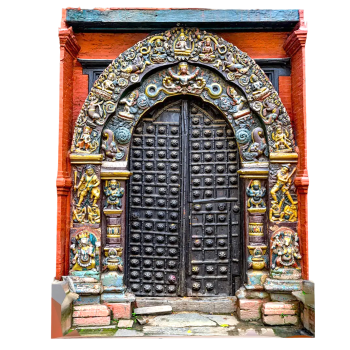
Nepal Taleju Temple Building Taleju Temple Gate
Gate of Taleju Temple in Durbar Square, Kathmandu. The temple, together with the gate, was built by Mahendra Malla in 1564 AD. This temple is one of the most sacred temples in Nepal because this temple or this gate is only opened once a year during the dashain Festival.

Buddha
The image of Buddha. Generalized including Bodhisattva, Rohan, Ming Wang, and so on. Although there are two kinds of statues, sculptures and portraits (pictorial), only sculptures are called Buddha statues, while portraits are called images. In ancient India, it was believed that carving Buddha statues was a blasphemy, so ancient carvings such as Shanqi (Sanskrit ^ nchi ^) only symbolized Buddha with the marks of Buddhism, Bodhi tree, Buddha's footprints, etc. Later, with the rise of Mahayana Buddhism, the sculpture of Buddha began to prevail, so there are many records about the cause of the statue and its merits in the Mahayana classics.

Ancient Gandhara Buddha
Gandhara State, a country in the South Asian subcontinent that already existed in the 6th century BC, was one of the sixteen major countries in the era of nations. It is not only one of the birthplaces of Indian continental civilization, but also plays an important role in the history of world civilization development because it is located at the connection point of Eurasia. The ancient Gandhara (Gandhara) Buddhist statue art is a model. Since the origin of Buddha statue art, ancient Gandhara (Gandhara) Buddhist sculptures have the realism and elegance of ancient Greece and Rome, and the compassion and sacredness of ancient India.

Guanyin Statue
Guanyin Bodhisattva is one of the four great bodhisattvas in Chinese Buddhism. According to legend, his birthday is on the 19th day of the second lunar month, the day of enlightenment is on the 19th day of the sixth lunar month, and the day of Nirvana is on the 19th day of the ninth lunar month. It is said that the Taoist temple is Mount Putuo. The belief in Guanyin has had a profound influence in China, leading to various folk legends about Guanyin Bodhisattva, such as the widely circulated belief that Guanyin is Princess Miaoshan, the third princess of King Miaozhuang of Xinglin Kingdom. This kind of female Guanyin legend can first be seen in Zhu Ben's "Qu Yu Jiuwen" during the Song Dynasty. Afterwards, Guan Daosheng's biography "Biography of Guanyin Bodhisattva" became a complete biography during the late Song and early Yuan dynasties.
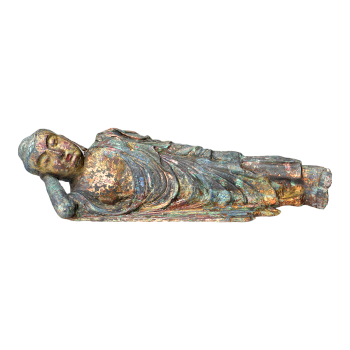
Nirvana Buddha statue
Nirvana Buddha is a Buddha statue depicting the Buddha's entry and death, also known as Sleeping Buddha, Sleeping Buddha, or Sleeping Buddha. It is manifested in the form of a Buddha statue depicting the appearance of Shakyamuni entering and disappearing.

Buddha seated statue, produced in the late 19th century
This piece is made of gold-plated bronze and measures approximately 53.3 centimeters in size. This work was created by an unknown Thai artist in the late 19th century. This Buddha statue depicts the Buddha dressed in the attire of a prince, sitting on a carpet on a beautiful throne. This depiction became widely circulated after King Rama I (reigned 1782-1809) defeated the Burmese invasion and established the Chakri dynasty that ruled present-day Thailand. In 1917, this sculpture was collected at the Mia Museum. This is the first Asian art piece to enter the museum's collection.

Buddha's seated statue from the 2nd to 3rd century AD
This Buddha statue may have been made in the Gandhara region (now Pakistan) in the 2nd to 3rd century AD. The height of this Buddha statue is 95 centimeters, the width is 53 centimeters, and the diameter is 24 centimeters. This Buddha statue depicts the Buddha sitting and preaching. The Buddha's gesture is very special. This gesture, also known as the clay jar or the Dharma wheel, reveals that the Buddha is telling a sermon, explaining the four noble truths of human existence and the path to enlightenment. This statue is currently located in the British Museum.

Popular Models
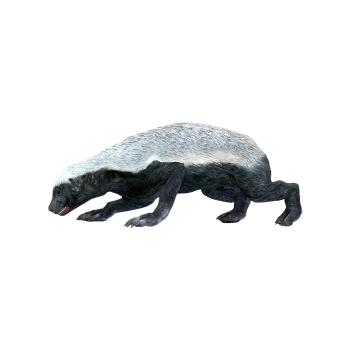
Honey Badger (3D animated model)
192 View
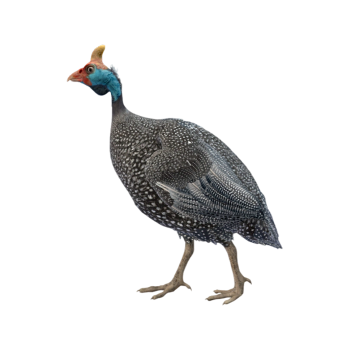
Guinea fowl (3D animated model)
163 View
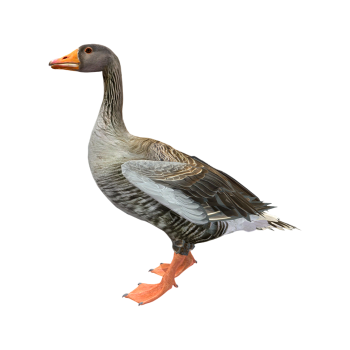
Wild Goose (3D animated model)
185 View
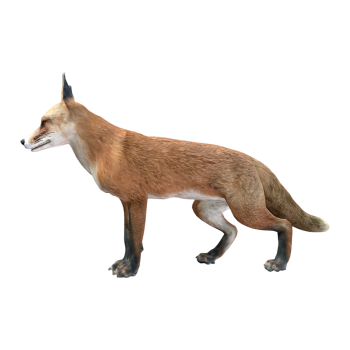
Red Fox (3D animated model)
153 View
Random Model
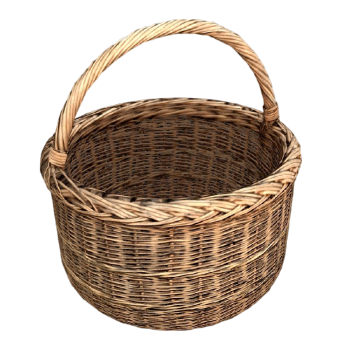
Wicker knitting basket
461 View

Marshall DSL15C Guitar Speaker
550 View
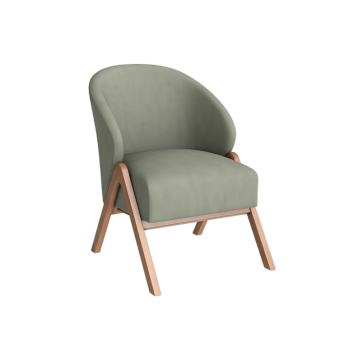
Single Chair
591 View

Office
450 View
Labubu Classic Collection
156 View
Tyrannosaurus (3D animated model)
180 View
Vintage Leather Couch
379 View

Simple coke can
701 View
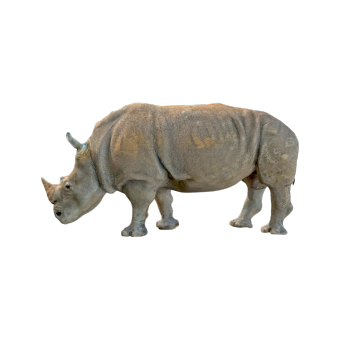
Rhino
844 View